
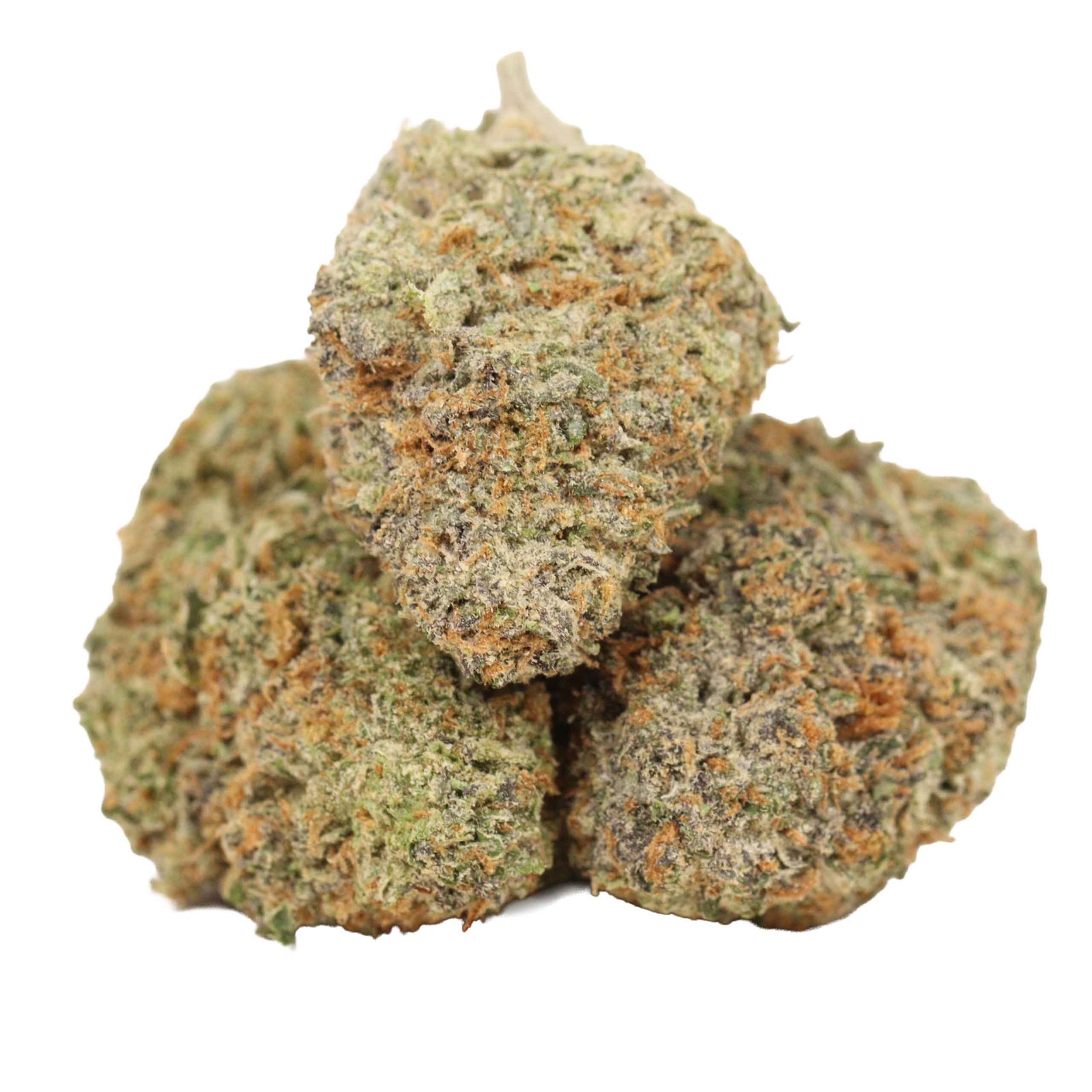
The Hawaiian Runtz sativa-dominant hybrid cannabis strain is distributed exclusively through verified B2B channels to licensed UK commercial operators. This premium cultivar, resulting from the genetic cross of Hawaiian and Pink Runtz, is supplied with complete regulatory documentation, batch-specific accredited laboratory testing, and a comprehensive chain of custody tracking. Available only to commercial entities operating under appropriate licensing frameworks.
Compliance Framework
Cannabis distribution within the UK operates under specific licensing requirements. Commercial transactions necessitate appropriate licensing for all participating entities. Compliance with relevant controlled substance regulations is mandatory for all wholesale operations, regardless of strain type or genetic classification.
Batch Specifications Table
| Specification | Detail |
|---|---|
| Strain Name | Hawaiian Runtz |
| Genetic Type | Sativa-dominant Hybrid (approx. 60/40 sativa/indica) |
| Parent Strains | Hawaiian × Pink Runtz |
| Cultivation Standard | Controlled environment protocols |
| Testing Standard | Accredited laboratory analysis |
| Documentation | Complete batch traceability system |
| Availability | Licensed commercial operations only |
| Minimum Order | Established after verification |
Genetic Profile Characteristics
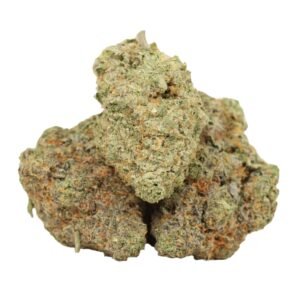
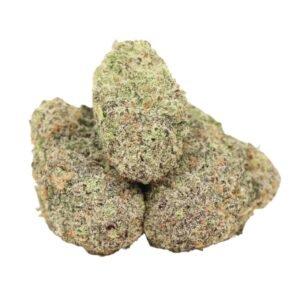
Hawaiian Runtz sativa-dominant hybrid represents a distinctive expression combining the tropical, uplifting characteristics of Hawaiian genetics with the candy-like sweetness and complex terpene profile of Pink Runtz. The strain exhibits a defined sativa-leaning botanical structure with characteristic morphology, dense trichome development, and phenotypic expressions including olive-green buds with purple undertones, orange pistils, and purplish-tinted trichomes. Maintained through professional post-harvest handling protocols specific to sativa hybrid preservation requirements.
Cannabinoid Profile
Laboratory analysis of Hawaiian Runtz typically demonstrates:
THC Range: 16-23% (varying by batch and cultivation parameters)
CBD Content: Approximately 2-2.2%
Minor Cannabinoids: CBC, CBG, CBN, THCV present in trace quantities
All cannabinoid data is provided via batch-specific Certificates of Analysis from accredited laboratories. No specific potency claims are made without corresponding batch documentation.
Terpene Profile
Hawaiian Runtz exhibits a complex terpene architecture with total terpene content approximating 0.98% . Primary and secondary terpenes include:
| Terpene | Concentration | Aroma Profile |
|---|---|---|
| Linalool | ~0.21% | Spicy, lavender, floral |
| Limonene | ~0.14% | Citrus, lemon, orange |
| Valencene | ~0.14% | Sweet citrus, Valencia orange |
| Terpineol | ~0.10% | Pine, floral, lilac |
| Geraniol | ~0.09% | Sweet rose, citrus, floral |
| Myrcene | ~0.08% | Earthy, musky, tropical fruit |
| Bisabolol | ~0.06% | Nutty, fruity, herbal, coconut |
| Terpinolene | ~0.06% | Piney, floral, herbaceous, citrus |
| Phellandrene | ~0.06% | Minty, woody, citrus |
| Caryophyllene | ~0.04% | Spicy, peppery, cinnamon |
This terpene configuration produces the strain’s characteristic tropical fruit, sweet citrus, and candy-like flavor profile with earthy and herbal undertones.
Laboratory Verification Protocol
Each production batch undergoes comprehensive analysis through accredited testing facilities. The verification process includes:
Validated cannabinoid profiling methodologies
Complete contaminant screening panels
Certified analytical accuracy documentation
Compliance verification against established standards
Sativa-dominant hybrid genetic marker verification, where applicable
Commercial Documentation Package
Licensed wholesale clients receive comprehensive documentation, including:
Certificate of Analysis from an accredited testing laboratory
Laboratory Accreditation Verification
Batch Traceability Documentation with cultivation history
Chain of Custody Records for all transfers
Regulatory Compliance Statements
Commercial Invoices with appropriate commodity coding
Genetic Verification Documentation confirming sativa-dominant hybrid classification
Storage & Preservation Standards
Sativa hybrid product integrity is maintained through controlled environment protocols:
Temperature maintenance between 15-21°C
Humidity control within 55-62% RH range
Light protection using appropriate packaging
Contamination prevention through sealed containers
Regular environmental condition monitoring
Specific sativa hybrid storage protocols to preserve delicate terpene profiles
Distribution Compliance
All distribution activities adhere to:
Licensing and reporting requirements
Shipping and logistics security standards
Documentation requirements for controlled substances
Commercial transfer protocols between licensed facilities
Sativa hybrid-specific handling procedures, where applicable
Commercial Terms for Licensed Entities
Verification Required: Proof of appropriate licensing
Order Minimums: Volume-based pricing structures
Delivery: Secure tracked logistics systems
Payment: Commercial terms with proper invoicing
Support: Documentation compliance assistance
Sativa Hybrid-Specific Options: Custom packaging available
Regulatory Compliance Statement
Cannabis distribution requires appropriate licensing under established regulations, with no distinction between sativa, indica, or hybrid classifications. Commercial operations must maintain valid licensing for all activities, including possession, distribution, and related transactions. Compliance with controlled substance regulations is mandatory for all genetic varieties.
License Verification Process
Provide current licensing documentation
Complete commercial verification procedures
Review the product documentation package
Process order through authorized channels
Arrange secure delivery to licensed facility
Maintain required regulatory reporting
Sativa hybrid-specific documentation verification, where applicable
Target Market Authorization
Licensed pharmaceutical operations
Authorized research institutions
Approved clinical trial organizations
Licensed distribution entities
Genetic preservation programs
Other appropriately licensed commercial operations
Documentation Request Process
Licensed commercial operators may request complete documentation, including:
Sample laboratory analysis reports
Testing facility accreditation verification
Regulatory compliance framework information
Commercial terms and conditions
Shipping and handling protocol details
Sativa hybrid genetic verification documentation
FAQs:
Q1: Who can purchase the Hawaiian Runtz sativa-dominant hybrid strain through wholesale channels?
A: Only commercial entities holding current, valid licensing for cannabis-related activities. Licensing requirements do not differentiate between sativa, indica, or hybrid classifications.
Q2: What is the genetic lineage of Hawaiian Runtz?
A: Hawaiian Runtz is a sativa-dominant hybrid created by crossing Hawaiian and Pink Runtz strains. The Hawaiian genetics contribute tropical and uplifting characteristics, while Pink Runtz (itself a cross of Zkittlez and Gelato) provides candy-like sweetness and complex terpene profiles.
Q3: What documentation accompanies sativa hybrid wholesale batches?
A: Complete regulatory documentation package including accredited laboratory analysis, batch traceability records, chain of custody documentation, commercial invoices with proper coding, and genetic verification documentation confirming sativa-dominant hybrid classification.
Q4: Are laboratory results from accredited testing facilities for sativa hybrid strains?
A: Yes. All testing, regardless of genetic classification, is conducted through accredited laboratories operating under recognized standards, ensuring valid and reliable analytical results.
Q5: What specific testing is performed on sativa hybrid production batches?
A: Comprehensive testing panels include: cannabinoid profiling, pesticide screening, heavy metal analysis, microbiological testing, mycotoxin screening, residual solvent analysis, where applicable, and genetic verification for sativa hybrid classification.
Q6: What is the typical cannabinoid profile of Hawaiian Runtz?
A: Based on available data, Hawaiian Runtz typically exhibits THC levels ranging from 16-23% and CBD content of approximately 2-2.2%. Minor cannabinoids, including CBC, CBG, CBN, and THCV, are present in trace quantities. All specific potency data is provided via batch-specific Certificates of Analysis.
Q7: What are the characteristic terpenes in Hawaiian Runtz?
A: The terpene profile is complex, with primary contributions from linalool, limonene, valencene, terpineol, geraniol, and myrcene. This configuration produces the strain’s signature tropical fruit, sweet citrus, and candy-like flavor profile with earthy and herbal undertones.
Q8: How is sativa hybrid product quality maintained during storage?
A: Through controlled environment protocols including temperature regulation (15-21°C), humidity control (55-62% RH), light protection systems, contamination prevention measures, regular monitoring, and specific sativa hybrid preservation protocols to protect delicate terpene profiles.
Q9: What are the minimum order quantities for licensed operators seeking sativa hybrid strains?
A: MOQs are established based on licensing type, commercial requirements, and product availability. Specific requirements are provided after successful verification, with no differentiation for sativa hybrid varieties.
Q10: Is import documentation assistance provided for sativa hybrid strains?
A: Complete commercial documentation packages are provided, designed to meet requirements for licensed imports of controlled substances, with no distinction for sativa hybrid classification.
Q11: What happens if licensing expires during order processing for sativa hybrid products?
A: All commercial relationships require current, valid licensing. Orders cannot proceed without maintained licensing compliance, regardless of strain type.
Q12: How is licensing verified for sativa hybrid-specific operations?
A: Through secure commercial verification systems where licensing documentation, business registration details, and commercial information can be submitted for compliance review, with additional verification for specific operational classifications where required.
Reviews
There are no reviews yet