
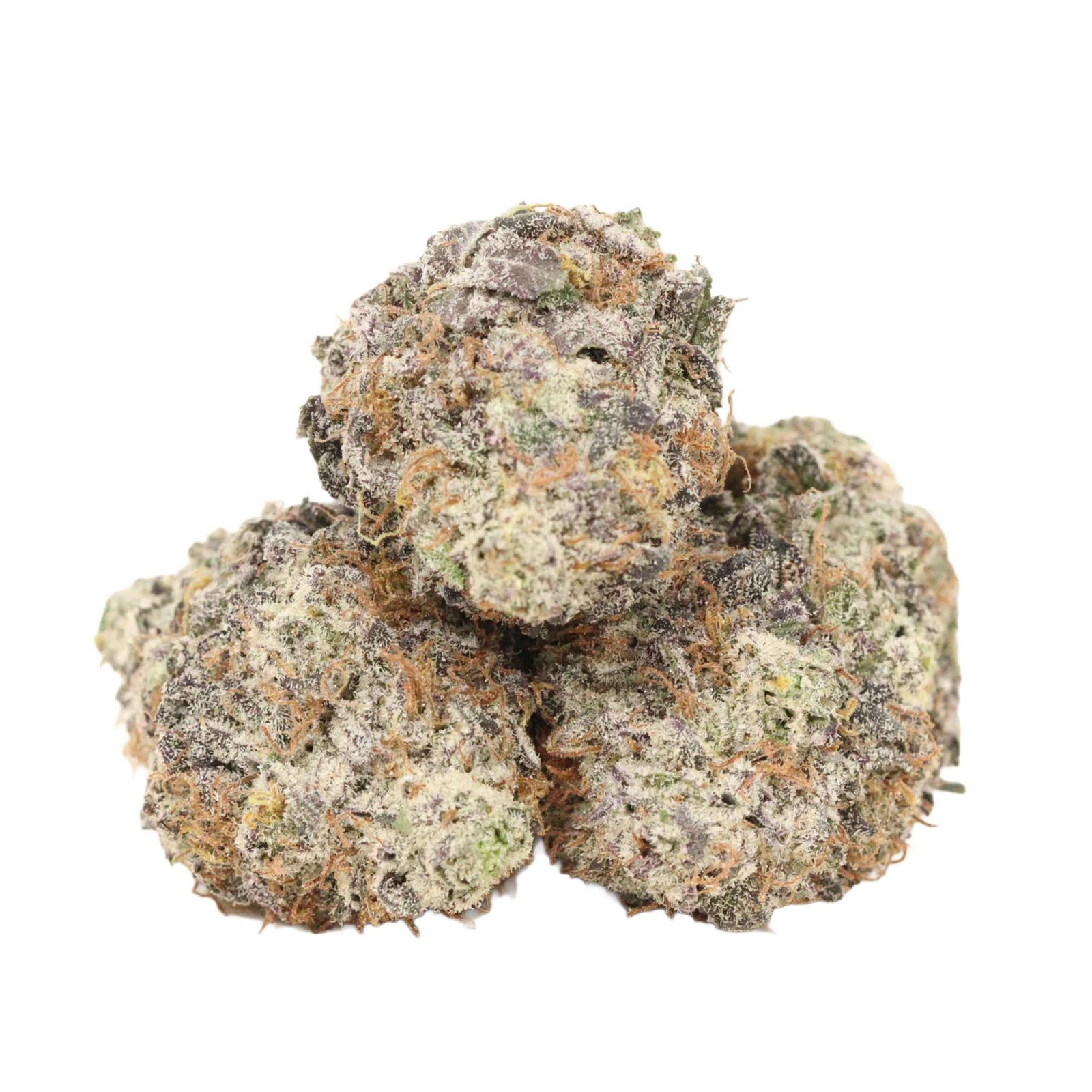
The White Widow hybrid cannabis strain is distributed exclusively through verified B2B channels to licensed UK commercial operators. This legendary 1995 High Times Cannabis Cup-winning cultivar, developed in the Netherlands from Brazilian Sativa landrace and South Indian Indica genetics, is supplied with complete regulatory documentation, batch-specific ISO/IEC 17025 accredited laboratory testing, and comprehensive chain of custody tracking . Available only to commercial entities operating under appropriate licensing frameworks.
Compliance Framework
Cannabis distribution within the UK operates under specific Home Office licensing requirements. Commercial transactions necessitate appropriate licensing for all participating entities. Compliance with relevant controlled substance regulations under the Misuse of Drugs Act 1971 is mandatory for all wholesale operations, regardless of strain type or genetic classification.
Award Recognition & Industry Standing
| Award | Year | Achievement |
|---|---|---|
| High Times Cannabis Cup | 1995 | Winner |
White Widow is universally recognised as one of the true giants in cannabis cultivation, having exploded onto the global scene in the mid-1990s and maintaining legendary status among both growers and commercial operators for three decades .
Batch Specifications Table
| Specification | Detail |
|---|---|
| Strain Name | White Widow |
| Genetic Type | Hybrid (Balanced Indica/Sativa) |
| Genetic Ratio | Variable by breeder phenotype (40-60% Sativa / 40-60% Indica) |
| Genetic Origin | Amsterdam, Netherlands |
| Parent Strains | Brazilian Sativa Landrace × South Indian Indica |
| Breeder Attribution | Green House Seeds / Shantibaba (disputed) |
| Cultivation Standard | Controlled environment protocols |
| Testing Standard | ISO/IEC 17025 accredited laboratory analysis |
| Documentation | Complete batch traceability system |
| Availability | Licensed commercial operations only |
| Minimum Order | Established after license verification |
Genetic Profile & Heritage
White Widow represents a distinctive hybrid expression developed through the crossing of two geographically and genetically distinct landrace cultivars:
| Parent Strain | Origin | Genetic Contribution | Characteristics |
|---|---|---|---|
| Brazilian Sativa | South America | Sativa lineage | Uplifting effects, cerebral qualities, energetic profile |
| South Indian Indica | Southern India | Indica lineage | Relaxing properties, resinous bud production, structural stability |
Lineage Dispute & Historical Context:
There exist conflicting claims regarding White Widow’s true origin. Ingemar (De Sjamaan), a pioneer in outdoor cannabis cultivation and early medicinal cannabis activist, has stated the strain was bred from seeds collected from friends and cultivated over years of experimentation. Scott Blakely (Shantibaba), renowned cannabis geneticist who travelled extensively through Asia and South America collecting seeds before settling in Amsterdam, attests he created White Widow by crossing a Brazilian sativa male with an Indian Indica mother . Dutch breeder Green House Seeds is widely credited with popularising the strain commercially .
Regardless of origination disputes, White Widow is unequivocally established as the mother of the esteemed “White” family of cannabis strains, including White Russian, White Rhino, Great White Shark, White Domina, and White Amnesia .
Morphological Characteristics
| Feature | Description |
|---|---|
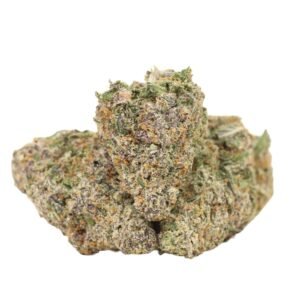
| Bud Structure | Dense, conical, light green buds; some phenotypes produce fluffy, conical flowers |
| Pistils | Vibrant orange/gold hairs woven throughout bud structure |
| Trichomes | Exceptionally thick coating of sticky white crystal trichomes; strain named for this characteristic “frosty” appearance |
| Plant Height | Compact to medium; typically 100-150cm; rarely exceeds 3 feet outdoors |
| Growth Pattern | Bushy, dense, stacked leafy branches requiring training for light penetration |
The cultivar’s name derives directly from its most distinctive feature: buds appear almost white or silvery under their extraordinarily dense trichome coating, with the resinous crystals contributing to both its visual appeal and sticky texture .
Cannabinoid Profile
Laboratory analysis of White Widow flower demonstrates batch-dependent variability. Compiled ranges from accredited testing sources indicate:
| Component | Typical Range | Notes |
|---|---|---|
| THC | 18-25% | Batch-dependent; specific quantification per Certificate of Analysis |
| CBD | 0.1-0.2% | Low; quantified per batch |
| THC-A | Quantified per batch | Full panel on Certificate of Analysis |
| Minor Cannabinoids | CBG (~1%), CBN, CBC | Present in trace quantities; batch variable |
*Note: Specific potency data is provided exclusively via batch-specific Certificates of Analysis from ISO/IEC 17025 accredited laboratories. Ontario Cannabis Store lists specific lots at 22-28% THC . No specific potency claims are made without corresponding batch documentation.*
Terpene Profile
White Widow exhibits a complex terpene architecture with significant variability reported across different phenotypes and breeders:
| Terpene | Aroma Profile | Presence |
|---|---|---|
| Myrcene | Berry-like, earthy, herbal | Primary/abundant; provides soothing, calming character |
| Caryophyllene | Spicy, peppery, clove | Primary; contributes pungent spice notes |
| Limonene | Citrus, bright, uplifting | Secondary; enhances mood, second most abundant in some analyses |
| Pinene | Pine, fresh, woody | Primary/secondary; contributes piney freshness |
| Terpinolene | Crisp, zesty, herbal | Reported in some analyses |
| Nerolidol 2, Ocimene 2 | Woody, floral | Reported in specific commercial phenotypes |
Total Terpene Content: Quantified per batch; available on Certificate of Analysis.
Aromatic & Flavour Profile
White Widow produces a distinctive and immediately recognisable aromatic signature:
| Characteristic | Description |
|---|---|
| Primary Aroma | Pungent, skunky, earthy with cedar and pepper notes |
| Secondary Aroma | Citrusy undertones, spice, tropical fruit |
| Flavour Profile – Inhale | Earthy, pine, woody, herbal |
| Flavour Profile – Exhale | Sweet fruity aftertaste, spicy, peppery, soapy/cleaner notes reported in some phenotypes |
| Overall Profile | Complex; reflects blended lineage with skunky and latent fruit scents |
Reviewers describe the flavour as “woody, vanilla afternote” and “nothing candy or bright citrus with fuel – standard old school flavour” .
Cultivation Characteristics (For Licensed Growers)
Provided for licensed cultivation operations only; information sourced from established cultivation references
| Parameter | Specification |
|---|---|
| Flowering Time (Indoor) | 8-10 weeks (56-70 days) |
| Flowering Time (Outdoor) | Ready late September to early October |
| Indoor Height | 100-150cm |
| Indoor Yield | 450-800 g/m² dependent on methodology |
| Outdoor Yield | 550-900 g/plant dependent on conditions |
| Optimal Temperature | 18-26°C (65-80°F) |
| Humidity (Flowering) | 40-55% RH |
| Climate Preference | Warm, dry; resilient but dislikes cold |
| Structural Requirements | Bushy, dense growth requires training (SOG, ScrOG, defoliation, LST) for optimal light penetration and yield |
| Pest/Disease Resistance | Sturdy; resistant to mold and colder climates; susceptible to issues in dense, poorly ventilated conditions |
| Grow Difficulty | Easy to moderate; suitable for beginners; one of the first strains to gain popularity for indoor suitability |
Recommended Cultivation Techniques (Licensed Growers Only):
| Method | Application | Benefit |
|---|---|---|
| Sea of Green (SOG) | Multiple small plants in compact space | Earlier flowering, flat canopy, greater yield, quicker turnaround |
| Screen of Green (ScrOG) | Screen placed over plants, branches tucked | Horizontal growth, maximised light exposure, increased yield |
| Defoliation | Careful removal of excess foliage | Reduced density, increased light/ventilation |
| Low-Stress Training (LST) | Gentle bending and tying branches | Greater yield, larger buds, uniform canopy |
Laboratory Verification Protocol
Each production batch undergoes comprehensive analysis through ISO/IEC 17025 accredited testing facilities. The verification process includes:
Cannabinoid Profiling:
-
Validated quantitative analysis of THC, THCA, CBD, CBDA, CBG, CBN, CBC, THCV
-
Method validation per ISO/IEC 17025 requirements
-
Certified reference standards compliance
Terpene Profiling:
-
Comprehensive quantitative analysis of monoterpenes and sesquiterpenes
-
Full panel reporting with individual concentration documentation
-
Identification of dominant terpenes (myrcene, caryophyllene, limonene, pinene)
Contaminant Screening Panels:
| Category | Analytes | Standard |
|---|---|---|
| Pesticides | Full EU/UK MRL panel | Quantitative analysis |
| Heavy Metals | Arsenic, cadmium, lead, mercury | Quantitative analysis |
| Microbiological | Total aerobic count, yeast & mould, E. coli, Salmonella, Aspergillus species | Pass/Fail with quantification |
| Mycotoxins | Aflatoxins B1, B2, G1, G2; Ochratoxin A | Quantitative analysis |
| Residual Solvents | Where applicable | Method-specific quantification |
Commercial Documentation Package
Licensed wholesale clients receive comprehensive documentation including:
-
Certificate of Analysis – ISO/IEC 17025 accredited laboratory; full cannabinoid and terpene profiles
-
Laboratory Accreditation Verification – Current scope of accreditation documentation
-
Batch Traceability Documentation – Complete cultivation history, input tracking, harvest records
-
Chain of Custody Records – Unbroken transfer documentation from harvest to dispatch
-
Regulatory Compliance Statements – Home Office licensing verification, controlled substance declarations
-
Commercial Invoices – Appropriate commodity coding (HS codes), VAT documentation
-
Genetic Verification Documentation – Strain lineage confirmation (Brazilian Sativa × South Indian Indica), hybrid classification
Storage & Preservation Standards
Hybrid product integrity requires specific controlled environment protocols:
| Parameter | Specification | Rationale |
|---|---|---|
| Temperature | 15-21°C (59-70°F) constant | Prevents cannabinoid/terpene degradation |
| Relative Humidity | 55-62% RH | Optimal moisture retention; microbial prevention |
| Light Exposure | UV-resistant opaque packaging | Photodegradation prevention |
| Container | Sealed food-grade; oxygen-reduced atmosphere | Oxidation prevention; aromatic preservation |
| Monitoring | Continuous environmental logging | Quality assurance verification |
Distribution Compliance
All distribution activities adhere to:
-
Home Office licensing and reporting requirements
-
MHRA oversight where applicable
-
UK Border Force controlled substance import/transfer regulations
-
Commercial shipping standards with appropriate security classification
-
Documentation requirements for licensed transfers between authorised facilities
-
Chain of custody maintenance throughout distribution
Commercial Terms for Licensed Entities
| Term | Detail |
|---|---|
| Verification Required | Proof of current Home Office licensing; commercial registration |
| Order Minimums | Volume-based tier pricing; specific MOQs established post-verification |
| Delivery | Secure tracked logistics with chain of custody confirmation; signature required |
| Payment | Commercial B2B terms; VAT invoicing; bank transfer |
| Support | Full documentation compliance assistance; regulatory guidance |
Regulatory Compliance Statement
Cannabis distribution requires appropriate licensing under established regulations. The Misuse of Drugs Act 1971 classifies cannabis as a Class B controlled substance. Commercial operations must maintain valid Home Office licensing for all activities including possession, distribution, and related transactions. Compliance with controlled substance regulations is mandatory for all genetic varieties, with no distinction between hybrid, sativa, or indica classifications.
License Verification Process
-
Document Submission: Provide current Home Office licensing documentation
-
Commercial Verification: Complete business verification procedures
-
Documentation Review: Receive product documentation package for review
-
Order Placement: Process order through authorised commercial channels
-
Secure Delivery: Tracked delivery to licensed facility; signature confirmation
-
Regulatory Reporting: Maintain required license reporting obligations
-
Genetic Classification Verification: Hybrid documentation
Target Market Authorization
-
Licensed pharmaceutical operations with MHRA authorisation
-
Authorised research institutions with Home Office approval
-
Approved clinical trial organisations
-
Licensed distribution entities
-
Genetic preservation programmes
-
Other appropriately licensed commercial operations
Documentation Request Process
Licensed commercial operators may request complete documentation, including:
-
Sample Certificate of Analysis (redacted)
-
Testing facility ISO/IEC 17025 accreditation verification
-
Regulatory compliance framework information
-
Commercial terms and conditions
-
Shipping and handling protocol details
-
Hybrid genetic verification documentation
-
Terpene profile certification
FAQs:
Q1: Who can purchase White Widow hybrid strain through wholesale channels?
A: Only commercial entities holding current, valid Home Office licensing for cannabis-related activities. Unauthorised distribution contravenes the Misuse of Drugs Act 1971. Licensing requirements do not differentiate between hybrid, sativa, or indica classifications.
Q2: What is the genetic lineage of White Widow?
A: White Widow is a hybrid strain created by crossing Brazilian Sativa landrace and South Indian Indica genetics. Developed in the Netherlands in the early 1990s, it is widely credited to Green House Seeds and/or breeder Shantibaba, though origin disputes exist .
Q3: Has White Widow won any cannabis awards?
A: Yes. White Widow is a legendary, award-winning strain that secured the High Times Cannabis Cup in 1995, cementing its place in cannabis cultivar history.
Q4: What documentation accompanies White Widow wholesale batches?
A: Complete regulatory documentation package including ISO/IEC 17025 accredited laboratory analysis, full cannabinoid and terpene profiles, batch traceability records, chain of custody documentation, commercial invoices with proper coding, and genetic verification documentation confirming hybrid classification.
Q5: What is the typical cannabinoid profile of White Widow?
A: Reported ranges from accredited sources indicate THC levels of 18-25% with CBD content of approximately 0.1-0.2%. Some commercial lots have been tested at 22-28% THC. All specific potency data is provided via batch-specific Certificates of Analysis from ISO/IEC 17025 accredited laboratories.
Q6: What are the dominant terpenes in White Widow?
A: White Widow’s terpene profile is dominated by myrcene, caryophyllene, and pinene, with significant presence of limonene and terpinolene reported in some phenotypes. This configuration produces earthy, peppery, pine, and citrus aromatic characteristics .
Q7: What does White Widow smell and taste like?
A: White Widow produces a pungent, skunky, earthy aroma with cedar and pepper notes and citrusy undertones. Flavour profiles include earthy, pine, and woody notes on inhale with sweet fruity or spicy aftertaste. Some phenotypes exhibit soapy/cleaner flavour notes.
Q8: What are the morphological characteristics of White Widow?
A: White Widow produces dense, conical light green buds with vibrant orange/gold pistils and an exceptionally thick coating of sticky white crystal trichomes. Plants are compact to medium height (100-150cm) with bushy, dense growth patterns requiring training for optimal light penetration.
Q9: What are the cultivation characteristics of White Widow?
A: For licensed cultivation operations: flowering time 8-10 weeks; indoor yield 450-800 g/m²; outdoor yield 550-900 g/plant; optimal temperature 18-26°C; humidity 40-55% during flowering. Requires training techniques (SOG, ScrOG, LST, defoliation) for maximum yield. Suitable for beginners; one of the first strains popularised for indoor cultivation.
Q10: What is White Widow’s significance in cannabis breeding?
A: White Widow is considered the mother of the “White” family of cannabis strains, including White Russian, White Rhino, Great White Shark, White Domina, and White Amnesia. Its genetic legacy endures through countless subsequent breeding programmes worldwide.
Q11: Are laboratory results from accredited testing facilities?
A: Yes. All testing is conducted through ISO/IEC 17025 accredited laboratories operating under recognised international standards, ensuring valid and reliable analytical results for regulatory compliance purposes.
Q12: What specific testing is performed on White Widow production batches?
A: Comprehensive testing panels include: full cannabinoid profiling (THC, THCA, CBD, CBDA, CBG, CBN, CBC, THCV), quantitative terpene profiling, pesticide screening (EU/UK MRL panels), heavy metal analysis (arsenic, cadmium, lead, mercury), microbiological testing, mycotoxin screening, and residual solvent analysis where applicable.
Q13: How is White Widow product quality maintained during storage?
A: Through controlled environment protocols including temperature regulation (15-21°C), humidity control (55-62% RH), UV-resistant opaque packaging, contamination prevention measures, and regular environmental monitoring.
Q14: What are the minimum order quantities for licensed operators?
A: MOQs are established based on licensing type, commercial requirements, and product availability. Specific requirements are provided after successful license verification.
Q15: Is import documentation assistance provided?
A: Complete commercial documentation packages are provided, designed to meet UK Border Force requirements for licensed imports of controlled substances.
Q16: What happens if licensing expires during order processing?
A: All commercial relationships require current, valid Home Office licensing. Orders cannot proceed without maintained licensing compliance, regardless of strain type.
Q17: How is licensing verified for hybrid strain operations?
A: Through secure commercial verification systems where Home Office licensing documentation, business registration details, and commercial information can be submitted for compliance review.
Q18: Is White Widow suitable for hash production?
A: Yes. White Widow is favoured in hash production due to its robust trichome content and high THC potency. The exceptionally resinous buds produce abundant crystalline material suitable for extraction.
Q19: What is the sativa/indica ratio of White Widow?
A: Ratio varies by breeder and phenotype. Sources report 50:50 balanced hybrid, 60% Indica/40% Sativa, and sativa-dominant classifications. The strain is best characterised as a balanced hybrid with variable expression.
Q20: What are the reported side effects associated with White Widow?
A: Common reported side effects include dry mouth (cottonmouth), dry eyes, and dizziness. Some users report mild paranoia or anxiety, particularly those sensitive to high-THC cultivars or sativa-dominant phenotypes.
Reviews
There are no reviews yet.